Disney was in a weird spot in the late 2000s. Honestly, the studio was struggling to find its footing in a world that had suddenly gone crazy for 3D animation. Pixar was winning everything. DreamWorks was leaning hard into snarky humor. Then came Rapunzel. Well, eventually she became Tangled. The Tangled release date USA was officially set for November 24, 2010, and it basically changed the trajectory of Disney Animation forever.
It’s hard to remember now, but people were skeptical.
The film had been in "development hell" for nearly a decade. It went through different directors, different styles, and even a massive name change that annoyed a lot of traditionalists. When that November date finally hit theaters, it wasn't just another princess movie. It was the birth of the modern Disney blockbuster. It bridged the gap between the hand-drawn classics we grew up with and the high-tech CGI future.
The Long Road to November 24, 2010
If you look back at the production history, the Tangled release date USA was a moving target for a long time. Initially, the project was known as Rapunzel Unbraided. It was supposed to be a much more satirical, Shrek-like take on the fairy tale. At one point, legendary animator Glen Keane—the man responsible for Ariel and Beast—wanted it to look like an oil painting come to life.
It was ambitious. Maybe too ambitious for the tech available in 2005 or 2006.
By the time the late 2010 window was locked in, Nathan Greno and Byron Howard had taken the reins. The pressure was immense. Disney had just released The Princess and the Frog the year before, which was great, but it didn't do the monster numbers the studio needed. They needed a hit. They needed a movie that boys, girls, and adults would all actually want to go see on a Wednesday before Thanksgiving.
The marketing team made a controversial call. They changed the name from Rapunzel to Tangled. The logic was simple: they didn't want to alienate young boys who might think a "princess movie" wasn't for them. It was a gamble. Purists hated it. But when you look at the box office receipts from that opening weekend, it’s pretty clear the gamble paid off.
What Actually Happened on Opening Weekend?
When the Tangled release date USA finally arrived on that Wednesday before Thanksgiving, the movie exploded. It pulled in about $68 million over the five-day holiday weekend. That’s huge. It was the second-biggest opening for a Disney animated film at that time, trailing only The Lion King if you adjust for certain factors.
People weren't just going for the hair. They were going for the chemistry.
Flynn Rider (voiced by Zachary Levi) brought a level of modern charisma that Disney princes usually lacked. He was a thief. He was sarcastic. He had "the smolder." Meanwhile, Mandy Moore’s Rapunzel wasn't a passive victim waiting in a tower; she was hitting people with frying pans and negotiating her own freedom. This shift in character dynamics is exactly why the movie holds up so well today.
The Technical Magic Behind the Scenes
You can't talk about the 2010 release without mentioning the hair. 10 to 12 inches of hair is one thing. Seventy feet of golden, glowing, animated hair is a nightmare for a computer.
- The software team had to invent a new program called Dynamic Wires.
- They used "discrete elastic rods" to simulate the physics of the strands.
- Kelly Ward, one of the senior software engineers, actually did her thesis on hair simulation.
This stuff matters because, in 2010, we hadn't seen anything like it. When Rapunzel steps out of the tower for the first time and her hair brushes against the grass, it feels tactile. It feels real. That level of detail is a big reason why the film cost an estimated $260 million to produce, making it one of the most expensive animated films ever made.
Why the Thanksgiving Window Was Genius
Disney has a long history of owning the Thanksgiving weekend. It’s a tradition. But the Tangled release date USA was particularly strategic because of the competition. That year, Harry Potter and the Deathly Hallows: Part 1 had just come out a week earlier. Disney knew they couldn't beat Potter in a head-to-head opening, so they positioned Tangled as the "feel-good" alternative for families once the initial Potter craze settled down.
It worked perfectly.
While Harry Potter was dark and moody, Tangled was bright, vibrant, and filled with Alan Menken’s catchy tunes. "I See the Light" became an instant classic. The lantern scene alone probably sold a few million tickets. It’s one of those rare cinematic moments that actually justified the 3D ticket surcharge that was so popular in 2010.
The Impact on the "Disney Revival" Era
If Tangled had flopped on its November 2010 release, we probably wouldn't have Frozen. That's not an exaggeration.
The success of Tangled proved that Disney could do CGI with the same heart and soul as their 2D Renaissance films. It paved the way for a specific style of character design—those big, expressive eyes and fluid movements—that defined the next decade of animation. It also proved that you could modernize a fairy tale without losing its magic.
Tangled was the bridge.
It took the musical structure of Beauty and the Beast and injected it with the pacing of a modern action-comedy. It’s why you still see Rapunzel's tower at the theme parks and why the "Tangled" area in Tokyo DisneySea is such a massive draw. The film didn't just come and go; it embedded itself in the culture.
Common Misconceptions About the Release
A lot of people think Tangled was the first Disney CGI movie. It wasn't. Chicken Little and Meet the Robinsons came first. But Tangled was the first one that felt like a "Disney" movie.
There’s also a weird rumor that the movie was renamed Tangled because The Princess and the Frog failed. That’s a bit of an oversimplification. While Princess and the Frog didn't hit the massive heights Disney hoped for, the decision to rename Rapunzel was more about expanding the brand's reach than running away from a previous "failure." They wanted to make sure the Tangled release date USA felt like an event for everyone, not just a specific demographic.
How to Celebrate the Legacy Today
If you’re looking to revisit the magic of that 2010 release, you don't have to wait for an anniversary. The movie is a staple on Disney+, but there are better ways to experience it if you're a hardcore fan.
- Watch the Short Film: Tangled Ever After was released in 2012 and it’s a chaotic, hilarious look at Rapunzel and Eugene’s wedding day. It focuses heavily on Maximus and Pascal, and honestly, it’s some of the best physical comedy Disney has ever produced.
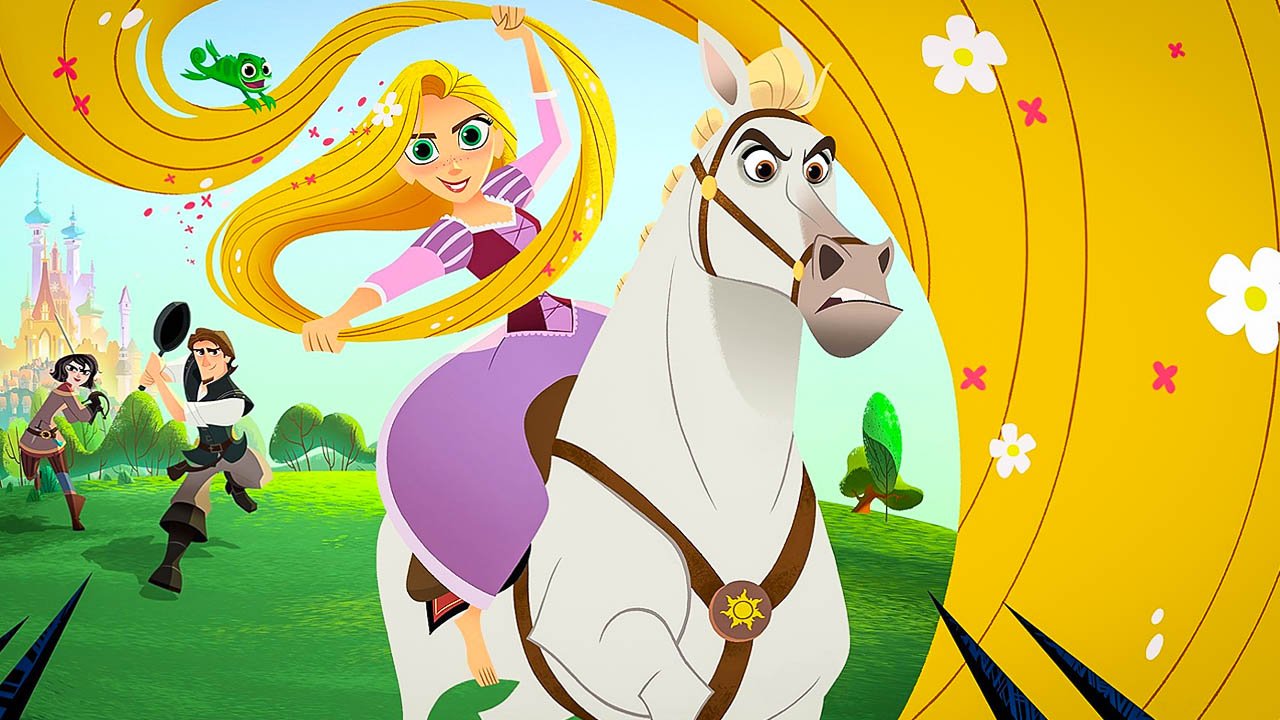
- Explore the Series: Most people don't realize there was a full-blown TV series called Rapunzel's Tangled Adventure. It uses a beautiful 2D art style and expands the lore significantly.
- Check the Broadway Rumors: There have been whispers for years about a full-scale Broadway production. While nothing is set in stone for a massive tour yet, the Tangled: The Musical production on Disney Cruise Line is surprisingly high-quality and features new songs by Alan Menken.
The Tangled release date USA of November 24, 2010, might seem like a lifetime ago in the fast-moving world of animation. But the film's blend of technical innovation and timeless storytelling ensures it isn't going anywhere. It’s a reminder that sometimes, taking the long, expensive, and difficult road to a release date is exactly what it takes to create a masterpiece.
Actionable Takeaway for Fans
To truly appreciate the artistry, try watching the film again but focus entirely on the lighting. Look at how the "bounce light" from Rapunzel's hair affects the environment around her. It was a revolutionary technical achievement in 2010 that still holds up against movies released today. If you're a collector, look for the original 2010 theatrical posters—they've become significant collector's items due to the various "teaser" versions that leaned into the action-comedy elements rather than the fairy tale aspects.